
If you’re obsessed with great food, why not turn that passion into a business by investing in a food franchise? Even if you’ve never worked in a commercial kitchen before, modern restaurant franchises come with training, systems, and support to help you hit the ground running. So what does it actually take to become one of those food franchise success stories?
As an aspiring business owner, the food industry offers a huge runway for growth due to increasing market demand . In 2025, over 214,000 fast-food restaurant businesses operate across the United States, with quick-service restaurants generating hundreds of billions of dollars in annual sales.
And that doesn’t even include the thousands of snack, coffee, dessert, and beverage franchises serving customers every day.
Wondering if this could be the right move for you?
You’re in the right place. In this ultimate guide, you’ll learn what it really means to buy a food franchise—how the model works, what it costs, the pros and cons, and the key steps to choosing (and successfully running) the right brand before you take the leap.
What is a Food Franchise?

If you’re hoping to join the food franchise world, all of your franchising activities must align with FTC regulations.
As a franchisor, you’ll be expected to offer up your company’s brand product, trademark, and business system for use by other entities – but this process is backed up with an agreement that both parties will honor.
Food franchise opportunities are available to anyone ready to take on the challenge; just do some thorough research and evaluate which type of food-franchise best suits all of your needs!
Simultaneously, prospective franchisors must assess whether or not their applicants have what it takes to run such a business successfully.
Purchasing a food franchise grants you access to an agreement with the franchisor, allowing you to use their trademarked brand, business system, and other assets in exchange for monetary value. The Chick-fil-A restaurant serves as one of the best examples of this concept – although owning a unit means policies must be abided by so that customers receive the same quality product each time they visit.
As such, high standards must be maintained when exploring food franchising opportunities.
The Cost Of Buying A Food Franchise

If you’re exploring food industry franchise opportunities, one of the first questions you’ll have is simple: “How much does it really cost to buy a food franchise?”
The exact number depends on the brand, location, and type of concept (food truck, kiosk, fast‑casual, full‑service restaurant, etc.), but most food franchises share the same core cost categories.
In 2025, many food and beverage franchises charge initial franchise fees in roughly the $20,000–$50,000 range, while total startup investment can run from around $50,000 to well over $1 million for full‑service or high‑profile restaurant brands.
Understanding how those dollars break down will help you decide whether a specific franchise opportunity truly fits your budget.
Below are the main costs you’ll encounter when buying a food franchise.
Initial Investment / Franchise Fee
The initial franchise fee (sometimes called the initial investment fee) is the upfront payment the franchisee makes to the franchisor when signing the franchise agreement, in exchange for specific rights and support.
This one‑time fee:
- Gives the franchisee the right to operate under the brand name
- Grants the franchisee access to trademarks, recipes, and operating systems
- Covers initial training and onboarding support for the franchisee
Under the FTC Franchise Rule, the franchisor must clearly disclose this fee in the Franchise Disclosure Document (FDD), and it’s typically due in full when you sign your agreement.
Startup Costs (Before and Right After Opening)
Beyond the franchise fee, you’ll need capital to actually open the doors. Launching a new restaurant often generates excitement in the community and requires careful planning for both pre‑opening and early post‑opening expenses. These startup costs fall into two phases: pre‑opening and early post‑opening.
Pre‑opening costs may include:
- Franchise investigation and due diligence (legal, accounting, travel)
- Site selection, lease deposits, and architectural plans
- Build‑out and renovations
- Furniture, fixtures, and equipment (FF&E)
- Kitchen equipment (ovens, grills, fryers, refrigeration, prep tables)
- Point‑of‑sale (POS) systems and technology
- Initial inventory and smallwares, including sourcing fresh ingredients
- Licenses, permits, and inspections
- Pre‑opening marketing and hiring costs
Right after opening, you’ll also need working capital to cover expenses such as:
- Employee wages and benefits
- Rent, utilities, and insurance
- Local marketing and launch promotions
- Ongoing supplies and inventory
It’s important not to underestimate this period. Many new franchisees plan for at least a few months of operating expenses while sales ramp up.
Royalty Fees
All true franchise opportunities include ongoing royalty fees. These are what you pay for continued access to the brand, systems, and support.
Typical structures include:
- A percentage of gross sales (common in the food industry), often around 4%–8% of monthly revenue
- Sometimes a flat monthly fee, or a hybrid of both
In addition, many food franchises charge:
- National or regional marketing/advertising fund contributions
- Possible technology fees or local marketing minimums
These royalties are usually paid monthly and are spelled out in your FDD and franchise agreement.
Other Cash Required (Net Worth, Liquidity, Credit)
Most franchisors will also have financial requirements you must meet before you’re approved, such as:
- Minimum liquid capital (cash or easily accessible funds)
- Minimum net worth (total assets minus total liabilities)
- A credit profile that can qualify for financing
A personal credit score in the high‑600s or better is often helpful when seeking SBA loans or bank financing, but some franchisors and lenders may work with candidates who have lower scores if other strengths (experience, collateral, partner capital) are present.
On top of the official requirements, it’s wise to keep a buffer for unforeseen costs—equipment repairs, delays, slower‑than‑expected ramp‑up, or additional local marketing.
Once you know your all‑in cost and financial requirements, you can decide whether a specific food franchise is realistically within reach.
Funding Your Franchise Business

Common ways owners cover the stack:
- SBA 7(a) or 504 loans: Popular for build‑out and equipment.
- Equipment leasing: Lowers upfront cash for kitchen lines and POS.
- ROBS (retirement rollover): Use retirement funds without early‑withdrawal penalties (get expert advice).
- Franchisor or vendor financing: Select brands and suppliers offer it.
Certain funding or technology solutions can also help streamline operations by making business processes more efficient and reducing costs.
Pro tip: Build a conservative pro forma with rent, labor, and food cost sensitivities (+/‑ 10% swings) before you commit.
Pros and Cons of Food Franchising

Why owners choose it
- Brand recognition: Customers already know what you serve.
- Proven playbook: Recipes, vendors, labor targets, and ops procedures.
- Training & support: From grand opening through field visits and coaching.
- Purchasing power: Group buying can reduce food and packaging costs.
- Financing familiarity: Lenders understand established systems.
- Peer network: Other operators share hiring tips, cost controls, and local marketing that works.
- Dynamic food service environment: Food service franchises operate in a fast-paced, customer-driven sector that attracts a steady stream of guests and benefits from strong marketing and real estate support.
What to weigh carefully
- Capital-intensive: Build‑out, kitchen equipment, and code compliance add up.
- Labor heavy: Hiring, training, and turnover are constant.
- Regulated: Health, fire, zoning, signage, and accessibility rules take time and money.
- Thin margins: You win with volume and tight control of prime cost (food + labor).
- Demanding hours: Early mornings, late nights, weekends, and holidays—especially at launch.
Top food franchise options
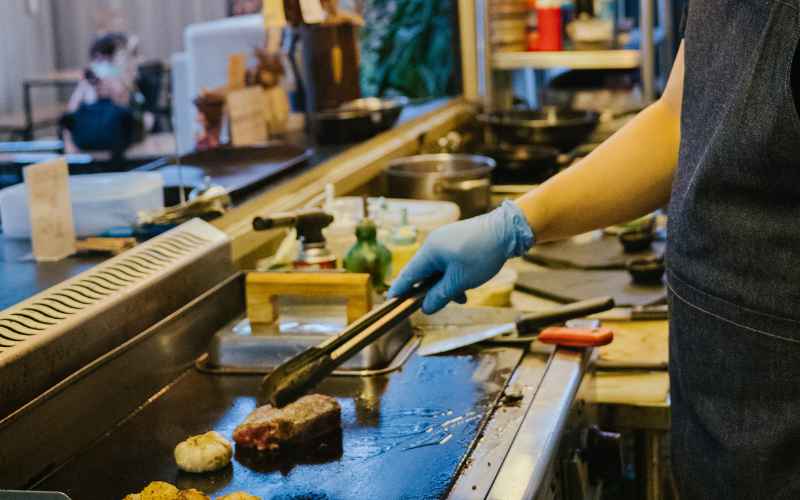
When you explore food industry franchise opportunities, think in business models and concepts first (not logos). Over the past several years, certain franchise models have demonstrated consistent growth and stability, highlighting important historical trends in the industry. Match the model to your market, dayparts, and staffing reality—then shortlist brands that execute it well.
1) Sandwich & sub concepts
Think of a subway restaurant concept: fast assembly‑line sandwiches, customizable toppings, strong lunch traffic, and compact footprints. Many lean on value bundles like the ones Subway offers (sandwich + drink + side).
Best for: Office districts, college areas, transit hubs.
Watch‑outs: Midday sales concentration; bread quality and produce freshness drive repeat visits.
2) Coffee franchises & cafés
Coffee franchises benefit from daily rituals. Formats range from kiosks to sit‑down cafés with breakfast items and light lunches; drive‑thru is a major plus.
Best for: Commuter routes, hospitals, dense residential.
Watch‑outs: Morning labor coverage, milk/waste control, speed at peak.
Considering big-name coffee brands? Read “Can You Franchise Starbucks? Explained!” to see if franchising is possible and what alternatives exist.
3) Super premium ice cream & dessert
Shops centered on super premium ice cream, sundaes, shakes, or artisanal desserts. Smaller footprints, family appeal, and high margins on specialty treats.
Best for: High‑foot‑traffic retail, tourist corridors.
Watch‑outs: Seasonality and evening/weekend staffing.
4) Hot dog stands & snack kiosks
Focused menus (classic hot dogs, pretzels, snacks) with quick service and simple equipment. Easy to run as carts, kiosks, or small storefronts—often a bridge to multi-unit franchises.
Best for: Malls, stadiums, events, transit.
Watch‑outs: Event‑driven sales; upsell beverages and sides.
5) Fried chicken & comfort QSR
Crispy fried chicken (tenders, wings, sandwiches) travels well, supporting takeout and delivery. Sides and family meals lift ticket size.
Best for: Suburban arterials with drive‑thru potential.
Watch‑outs: Oil management, fry‑line throughput, consistent breading.
6) Multi-unit franchises for scale
Once one store performs, multi-unit franchises let you grow within a territory. Benefits include shared managers, purchasing efficiency, and stronger local marketing.
Best for: Operators with a bench of shift leads/AGMs and solid cash flow.
Watch‑outs: Spreading yourself thin; ensure #1 is stable before opening #2.
FAQs
From tens of thousands (kiosks/carts) to $1M+ for larger, high‑profile restaurants. Build it line‑by‑line from the FDD.
Often, a monthly percentage of gross sales plus a brand marketing fund; some add tech or local ad fees.
Not necessarily—solid systems and training help. Management, hiring, and basic P&L skills are big advantages.
In dense, commuter‑friendly markets with drive‑thru or grab‑and‑go, coffee franchises can deliver steady, repeat traffic.
Focused menus (e.g., hot dogs, snacks, or dessert formats like super premium ice cream) often have fewer moving parts than full kitchens.
Final Takeaways
While some food franchises require plenty of resources to run, such as grills, ovens, and fryers; there are also those that operate simpler operations. A sandwich outlet is a great example – they receive all the necessary ingredients, including soft serve ice cream, pre-cut, pre-sliced, and even pre-cooked!
This yields fewer hassles for business owners in terms of expenses but still requires extra attention when it comes to spoilage and labor costs.
Despite the success of others in the food and related businesses, it isn’t necessarily a route that works for everyone. Before you invest your life savings into a food or franchise-related venture, ensure you’re aware of all the requirements, consider your work life balance, and have the appropriate skills to succeed.
Fortunately, franchisors will offer extensive assistance so you’ll never feel alone on this journey. Still, feeling unprepared? You can also request free info from a franchise consultant who can bring better guidance!