
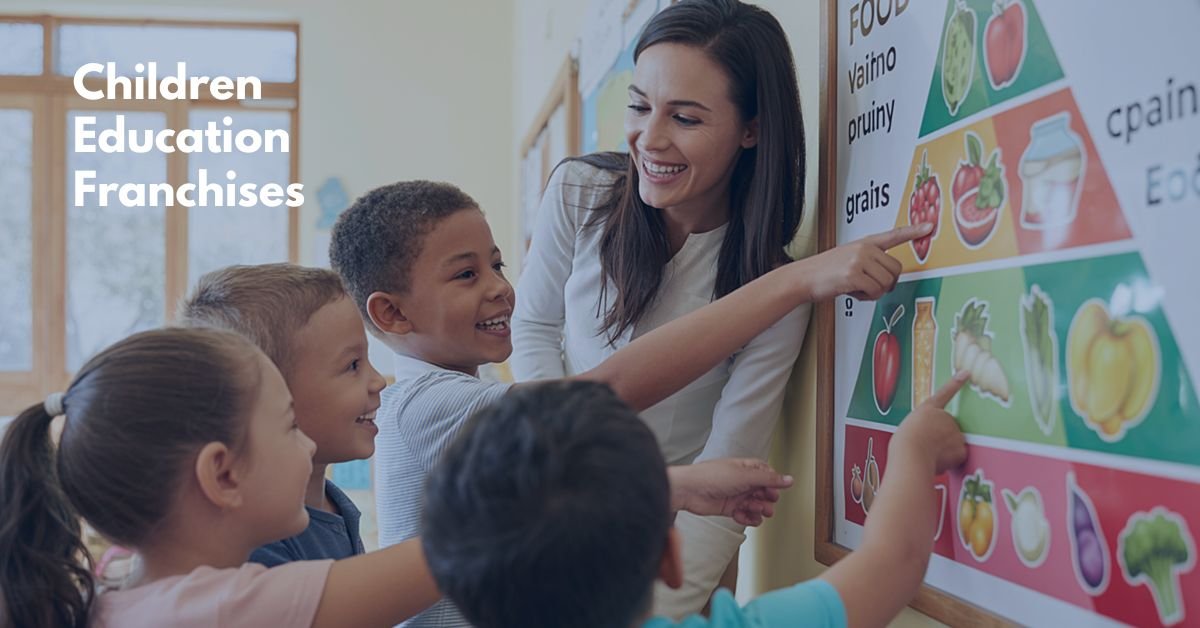
Children’s education franchises let you build a business around something parents already prioritize: their kids’ learning (some candidates search for the same idea as children education franchises, without the apostrophe, and land here too). From math tutoring centers to STEM labs to early childhood preschools, this sector covers a wide range of models, price points, and day-to-day involvement levels.
If you’re one of the entrepreneurs interested in owning your own business built around kids, and you have a passion for education, this can be a rewarding business. Here’s what separates the profitable brands from the ones that struggle, and what I look at with candidates before they sign anything.
What Children's Education Franchises Actually Cover
The category is broader than most candidates expect. It spans everything from after-school tutoring to full-day preschool, and each model has a different investment, staffing, and demand profile. There’s also a nearby category of children’s sports franchises for candidates open to fitness-focused brands, though this guide focuses on education specifically.
The benefits extend to franchisees too. These franchise opportunities combine personal growth with the chance to invest in kids’ future, shaping young minds into confident, lifelong learners.
Tutoring and Math Centers
Brands like Mathnasium Learning Centers and Sylvan Learning focus on personalized tutoring, helping students build math skills and succeed toward lifelong success in school. Mathnasium alone has grown to over 1,000 centers globally, a proven business model that shows how much staying power narrow-focus tutoring can have. These brands are often named among the top education franchises for candidates who want a leader in the space with real brand recognition.
STEM and Coding Programs
Programs like Code Ninjas and Snapology teach math skills, science, and engineering through hands-on activities instead of a lecture format. Some lean into brain training exercises alongside academics. These franchises lean on evening and weekend enrollment, which keeps staffing lighter than a full daycare operation.
Early Childhood and Preschool Franchises
Brands like Lightbridge Academy and Celebree School provide full-day preschool and early childhood education for working parents who need quality child care, not just enrichment. These educational services aim to change children’s lives early, and each program fosters confidence and social skills that carry into elementary school. This is the highest-investment, highest-regulation corner of the sector, and it’s also where demand tends to be steadiest, since more families need reliable daycare programs regardless of the economy.
How Much Children's Education Franchises Cost
Investment levels vary significantly by business model, and children’s education is a good example of that range.
Low to Moderate Investment Models
Smaller or mobile units, like tutoring centers or coding labs, often require $25,000 to $100,000 in cash to start, according to IFPG’s franchise directory. These models usually lease a small storefront or operate inside existing community spaces, which keeps overhead lower.
High Investment Preschool and Daycare Models
Large preschool or daycare facilities typically require $150,000 to $350,000 or more in minimum liquid cash, with total investment often exceeding $1 million once you include real estate and buildout, per Franchise Business Review’s ranking of top childhood education franchises. Cash required at this level reflects the facility, licensing, and staff you need before you open the doors.
Ongoing Royalties and Fees
Franchise fees can vary widely among different educational franchises, and so can ongoing royalty and advertising costs. I always tell candidates to model the ongoing costs, not just the initial franchise fee. A lower entry cost with a high royalty percentage can cost more over five years than a higher entry cost with a modest one, so don’t determine your budget from the franchise fee alone.
Why Demand for This Sector Keeps Growing
Education franchises benefit from something most retail concepts don’t. Parents rarely cut spending on their kids’ education, even when they cut back elsewhere. The Child Education and Development Center Franchises industry has grown to $3.7 billion in total revenue since 2017, according to Maple Bear. That growth is one reason this sector keeps showing up on lists of the world’s fastest growing franchises, and why franchisees benefit from steady demand.
Local marketing influences enrollment more in this category than in most franchise sectors, because parents choose a center based on trust and proximity, not brand awareness alone. Innovation in curriculum and technology, like adaptive learning software, is becoming a bigger differentiator between brands.
What to Watch Before You Buy
No sector is risk-free, and children’s education franchises come with a few challenges worth naming honestly.
Regulatory Compliance for Early Childhood Providers
Regulatory compliance can be stringent for early childhood education providers. Licensing requirements, staff-to-child ratios, and background check rules vary by state. They add both cost and lead time before you can open, and they exist to give families a solid foundation of trust in the programs their kids attend.
Staffing and Local Marketing Challenges
Franchises in this space face real challenges around staffing and local marketing, especially in competitive urban areas. A strong, trusted brand and comprehensive training program from the franchisor helps, and award winning support from the franchisor can shorten your learning curve. Staff retention is still something you’ll manage yourself as the owner.
How to Evaluate the FDD for an Education Franchise
Before you invest in any children’s education franchise, read the FDD closely, especially Item 19 if the franchisor includes earnings information. Franchise fees and royalties, franchisee counts, and territory protections all live in there, and I walk every candidate through these sections before they get close to signing.
I won’t guarantee what any franchise will earn you. Income depends on your location, your operating hours, and how you run the business day to day. What I can do is help you read the FDD accurately and compare it against what similar franchisees are actually reporting.
If you’re weighing a children’s education franchise against other models, I’ll walk through your goals and budget with you at no cost. I’m compensated by the franchisor only if we find a match, so there’s no cost to you as a candidate. Book a time and we’ll figure out if this sector fits what you’re looking for.
FAQs
Profitability varies by brand, location, and how well the owner runs day-to-day operations, so there’s no single answer. The FDD’s Item 19, when a franchisor provides one, is the most reliable place to check franchisee-reported financial performance.
The “best” franchise depends on your budget, your preferred involvement, and whether you want a tutoring model, a STEM program, or a full preschool. I help candidates narrow that list based on their own goals, not a generic ranking.
Popularity shifts year to year and by region. Tutoring and STEM brands tend to top national rankings, but daycare and preschool brands often have stronger local demand where working parents need full-day child care.
Most children’s education franchises need more than $10,000 in liquid cash. Some low-overhead tutoring or enrichment concepts start lower than the sector average, but $10,000 alone rarely covers training, marketing, and initial supplies.
Costs range from roughly $25,000 for a small tutoring or coding franchise up to $350,000 or more in liquid cash for a full preschool, with total investment sometimes exceeding $1 million once real estate is included.
Yes, generally through a Rollover for Business Startups structure. I’ve covered how that works in a separate post on using a 401(k) to buy a franchise.
It can be, especially the lower-investment tutoring and enrichment models, but it depends on your comfort with staffing and local marketing. I’ve covered what first-time owners need to know in a separate post.