

When you think about athletes who own franchises, especially those involved with professional sports teams, you probably picture powerhouse names, major endorsement deals, and Super Bowl MVPs.
But there’s another championship happening off the field, franchise ownership. Their discipline, leadership, and strategic mindset translate well into business, helping them build scalable ventures across multiple locations.
With many athletes retiring early and facing financial risk after their careers, franchising offers a way to diversify income and build long-term stability. By investing in a diversified mix of franchise locations, these athletes avoid falling into that trap.
Let’s take a closer look at why franchising has become their next MVP move.
The Winning Formula: Why Athletes Excel in Franchising
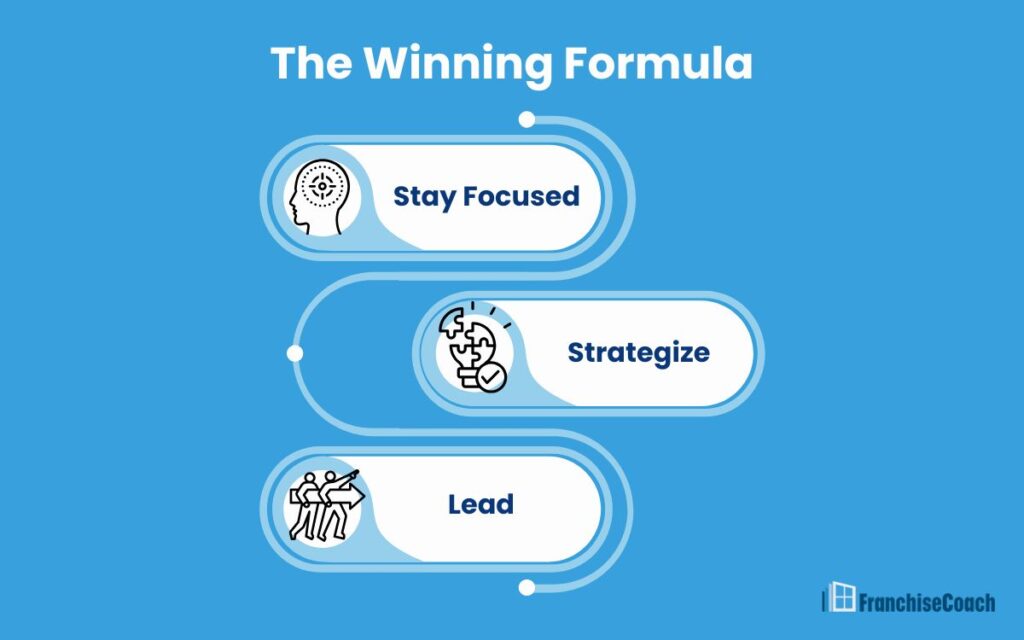
Owning a franchise is not about making up new ways of doing things – it’s simply about operating a successful business model that has proven itself. To a franchisee, this process appears to be an operating manual playbook.
The elements that are so natural for athletes to excel in as franchise owners:
- Stay Focused: The athlete will stay focused on his goals and utilize these focus points daily to ensure he maintains compliance with his franchisor’s standards.
- Strategize: He analyzes his market and makes adjustments for challenges, much like how a defensive player would read the defense prior to the snap.
- Lead: He brings the energy and excitement of being in a locker room to his franchisees and employees, which creates an environment where each employee can strive to win together.
Ultimately, by going into the world of franchising, athletes have the opportunity to continue pursuing excellence, but now on a different type of scoreboard.
This is exactly why transitioning from playing professional sports (i.e., football) or hitting home runs to owning a Five Guys or Jimmy John’s, etc., is such a natural fit.
1. Discipline and Work Ethic: From Practice Fields to Profit Margins

The five-time NBA champion Magic Johnson didn’t win championships or a Super Bowl without having serious commitment.
After success with the Los Angeles Lakers and ownership of the Los Angeles Dodgers, Magic Johnson built a broad portfolio focused on bringing franchise concepts to underserved communities.
Like Magic Johnson’s path, Shaquille O’Neal has had a similar path when it comes to franchising. For example, at one time, Shaq owned 155 Five Guys franchises and represented 10 percent of all the franchisees for the chain.
Lesson:
Just as winning teams are built through daily presence and effort in sports, franchise success comes from consistently showing up and following through on daily work habits.
2. Teamwork and Leadership: The Locker Room, Now a Boardroom

Franchise ownership thrives on team dynamics. That is why Drew Brees, the former NFL quarterback, did not invest in one or two restaurants.
By investing in Jimmy John’s and Walk-On’s Bistreaux & Bar—planned to expand to over 100 locations across 15 states—Brees showed how a partnership mindset drives success in the restaurant industry.
A great teammate helps you win in both sports and business—having the right partner can make all the difference in success and income.
3. Resilience and Mental Toughness: From ACL Tears to P&L Reports

Adversity is familiar to everyone. The resilience that helped Angelo Crowell and Adrian Gonzalez become Jersey Mike’s Subs franchise owners also helped them handle finances and staff turnover.
This same toughness was shown by Venus and Serena Williams when they took minority ownership stakes in the Miami Dolphins and Angel City FC.
Reality Check:
If you can recover from a 4th-quarter deficit or a career-threatening injury, you can also bounce back from a low EBITDA period.
4. Brand Recognition and Influence: A Head Start No One Can Teach

When athletes take their place in the franchise model, they come to the table with an equity position and a personal brand.
LeBron James set the example by joining Fenway Sports Group, gaining equity in the Boston Red Sox, Pittsburgh Penguins, and Liverpool FC. Others like Kevin Durant are also investing in emerging leagues, including the Philadelphia Union and NY/NJ Gotham FC.
Corporate Reality:
Unlike many entrepreneurs, professional athletes don’t start from scratch—they already bring thousands of fans and a strong reputation to build on.
5. Financial Resources: Capitalizing on the Right Opportunities

Let’s call it like it is — franchise investments aren’t dollar-store ventures. Franchising requires serious financial investment and even more intelligence.
Franchise investments require liquidity. Jamal Mashburn used his NBA earnings to build a massive empire, owning over 90 locations across brands like Dunkin’ and Papa John’s. His estimated net worth is a testament to how selling points in a game can turn into selling products in a city.
Translation:
Athletes, when they combine capital with calculated risk, do not simply play the franchise game. They rewrite the playbook.
6. Strategic Thinking: Reading Defenses… and Markets

Athletes are trained to make split-second decisions under extreme pressure, where one mistake can change the outcome of a game. That same decision-making skill translates directly into business, where precision and timing can impact profitability.
Michael Jordan set the gold standard for athletes turned business owners when he became the first former NBA player to hold a majority ownership stake after purchasing the Charlotte Hornets in 2010.
Wingstop also attracts NFL players such as Richard Sherman and Ron Stone because of its popularity in both the food and sports worlds.
Boardroom Insight:
When it comes to franchising, Athletes already know how to identify weaknesses in a defense. That’s market analysis – powered by franchise power: a proven playbook, brand trust and real support. It is the difference between sinking or scaling.
7. Networking and Connections: Big Rolodex Energy

Partnerships are important. LeBron James helped grow Blaze Pizza, while James Harden and Tim Tebow invested in teams and health and wellness ventures.
For example, LeBron James has used his influence to boost Blaze Pizza and expanded into ownership stakes through partnerships like Fenway Sports Group, investing in sports, media, and entertainment properties.
This demonstrates that when you have intentional and influential business partners, you can change an entire industry and not just participate in it.
Bottom Line:
Having money is good in franchising, but having money and a fantastic contact list is how you win before your first game.
8. Relentless Drive Franchise for Success: Never Settling for Second Place

Athletes are driven by an insatiable need for excellence. The motivation to get up at 5 a.m. and train every day is what makes champions. This same competitive fire will make franchises successful.
When Peyton Manning retired, he bought a collection of 31 Papa John’s restaurants in the Denver area. And just as he trained all of his players to win Super Bowls, he trained his franchisee employees with the same level of dedication.
After retiring from football, Marshawn Lynch brought his signature work ethic into business through ventures like Beast Mode retail stores.
Mindset Shift:
Franchising gives athletes a structured way to take their discipline and teamwork into business success. The franchising offers stability, growth and proven systems that lead to financial freedom.
They’re built for this. Athletes have focus, leadership, and resilience, all the qualities needed to run teams, follow playbooks and build profitable franchises.
Most franchisors focus on food, fitness, and service brands like Papa John’s, Five Guys, and Stretch Zone that align with lifestyle and community goals. Athlete branding adds instant credibility and customer awareness from day one.
FAQs
Why are athletes investing in franchises?
The franchise concept gives athletes a structured way to turn their discipline and teamwork into business success. It’s a strategic move for their post-playing career, according to a study by the RBC Sports Professionals group. Professional athletes retire at an average age of 30.
Professional athletes can use the organizational structure of a sports franchise to create a business out of their athletic abilities and teamwork.
Many professional athletes have this strategy planned for after they finish competing, as most professional athletes are expected to end their careers as an athlete by the time they turn thirty (RBC Sports Professionals).
What makes athletes, especially NBA players, good franchise owners?
They’re built for it. Whether they were playing football or competing in the NBA, these individuals possess the leadership and resilience needed to be successful franchisees.
Individuals such as Jamal Mashburn and Junior Bridgeman have proven that following a system is something that comes naturally when compared to reading a coach’s playbook.
What fast-growing franchises do athletes usually choose?
Athletes most often invest in food, health and fitness-related services and/community-based service organizations, examples include Papa John’s, Five Guys, and Stretch Zone, which all reflect the values and lifestyle of the athlete and help them support their local communities.
How does their personal brand help their business?
The name of an athlete instantly lends to credibility and news appeal. Any athlete, whether he is a Super Bowl Champion or one of the stars for the Los Angeles Lakers, will bring credibility and potential clientele partners to your business.
By becoming an equity partner or taking a minority stake in a chicken sandwich brand, they use their community ties to expand the brand.
Can anyone succeed in franchising like athletes, Lebron James and Magic Johnson?
Absolutely! Just as with all things in life, you do NOT have to be a champion to WIN in this space. As long as you have the means to invest in something that has already proven itself, you too can join the ranks of those who have been successful with franchising.
It’s about partnership, consistency, and the drive to grow a diverse portfolio.
Final Whistle: Why Athletes Will Continue Winning in Franchising
Franchising suits former athletes by offering a competitive business path that leverages their teamwork skills and ability to raise capital, giving them a strong advantage.
Professional athletes are turning to franchising and ownership — from restaurants like Jimmy John’s to teams like Angel City FC — to build successful careers after sports.
Owning a franchise is not only an exciting career option, but it also represents a natural progression for individuals who possess a championship mentality.
Athletes: Ready to make your next big play?
Then contact FranchiseCoach, your partner who understands how to help you advance down the field without losing the football. Now it is time to convert those championship rings into franchise success stories and permanent wealth.