
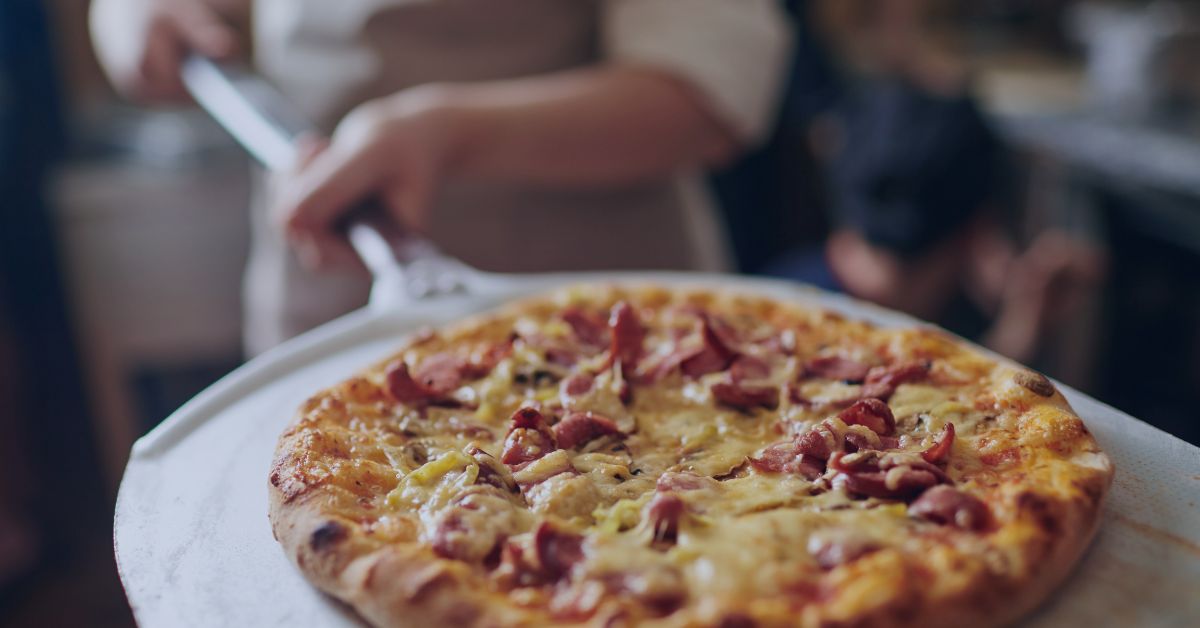
If you’ve ever pictured yourself as a franchise owner in the food world, slinging dough and serving up slices, a pizza franchise might be exactly what your business dreams are craving.
America’s love affair with pizza isn’t slowing down—and that makes pizza franchises one of the most enduring and profitable plays in the franchise space.
But with so many brands tossing their hats into the oven, how do you choose the best one? Let’s break down why pizza franchises are a rock-solid franchise opportunity and highlight seven standout concepts making waves in the U.S. right now.
Why Choose a Pizza Franchise?
The pizza industry is more than just cheese and crust—it’s a cultural icon, a family tradition, and one of the most versatile business models in the restaurant world. Whether you’re opening shop in Boise or planting your flag in Orlando, pizza fits just about every demographic and ZIP code.
Here’s why investing in a pizza franchise could be your next big move:
Steady Demand
Pizza is the ultimate comfort food—recession-resistant, delivery-optimized, and customizable to infinity. And that’s not just talk—it’s a resilient business model with real staying power.
Plenty of successful franchisees got their start in humble roles. Just look at Domino’s franchisees, many of whom started as delivery drivers or part-time pizza makers. Indeed, few industries offer that kind of upward mobility, making franchising in pizza one of the rare models where hard work can literally put your name on the door.
Diverse Business Models for Multi-Unit Expansion
Flexibility is where pizza really shines. Whether you’re focused on takeout, delivery, dine-in, or a hybrid of all three, there’s a business format to match your goals. That makes pizza a prime candidate for multi-unit expansion, especially for savvy operators looking to scale quickly and efficiently.
Global Reach
Pizza knows no borders. As a result, many leading pizza franchises have carved out significant space in territories worldwide, offering ambitious franchisees the chance to grow both nationally and internationally. If you’ve got the vision to go big, this is the kind of model that travels well.
Owning a pizza franchise isn’t just about spinning pies—it’s about scaling a sustainable, recognizable brand with baked-in support. Moreover, with proven systems, strong consumer demand, and a low barrier to entry, it remains one of the most accessible and rewarding franchise opportunities in the market today.
7 Fast-Growing Pizza Franchise Concepts
If you’re thinking about becoming a franchise owner, there’s a good chance a pizza franchise is on your radar—and for good reason. It’s one of the most beloved foods on the planet, and the business models just keep evolving.
From plant-based pies to gourmet slices and tech-driven delivery, today’s pizza franchises are more than just pizza—they’re scalable, flexible, and full of potential.
Here are seven fast-growing pizza franchise concepts that are redefining the game.
1. Artisanal Pizza Franchises
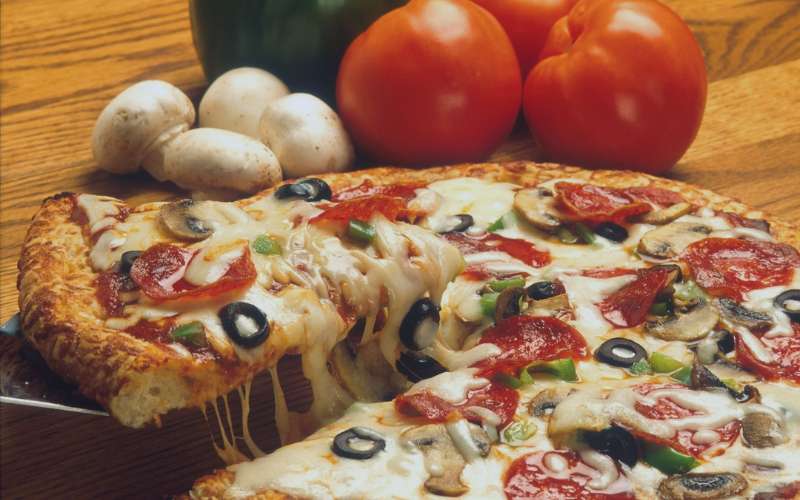
These brands take pizza up a notch—think fresh, hand-tossed dough, truffle oil, organic sauces, and unique toppings that make every bite Instagram-worthy. Artisanal pizza franchises combine that upscale dining feel with the comforting vibes of a classic pizzeria.
Why it’s gaining traction:
People are craving quality and creativity. Whether it’s a date night or a casual dinner, these franchises are bringing family and friends together for something a little more special.
Pros: High margins, trendy appeal, and loyal foodie fans.
Cons: You may need skilled part-time pizza makers and should expect higher ingredient costs.
Examples:
- Blaze Pizza - A top fast-growing pizza franchise, Blaze is known for its build-your-own, fast-fired model. Their internally based franchise system gives franchisees solid tools and support from day one.
- MOD Pizza - Customization is king here, and their inclusive menu (including vegan options) keeps customers coming back.
- Mellow Mushroom - Funky, fun, and flavorful. They’ve carved out a unique niche with their stone-baked pies and eclectic vibe.
2. Delivery-First Pizza Franchises

These pizza franchises are all about speed, convenience, and tech. Perfect for today’s grab-and-go lifestyles, delivery-first models thrive in markets where people want pizza now, not later.
Why it’s hot:
Whether it’s dinner after a long day or a late-night craving, delivery is king. Add in GPS tracking, easy online ordering, and loyalty programs, and you’ve got a recipe for repeat business.
Pros: High volume, tech-driven systems, great for multi-unit growth.
Cons: You’re relying heavily on drivers, fuel costs, and keeping pizzas hot in transit.
Examples:
- Domino’s Pizza - Domino franchisees benefit from one of the most advanced delivery systems in the industry. Their tech is slick, and their brand recognition is off the charts. Want in? Check the franchise disclosure document for all the details.
- Papa John’s - Known for consistent quality and strong delivery operations.
- Little Caesars - Famous for its “Hot-N-Ready” model, this brand focuses on speed, simplicity, and affordability.
3. Vegan Pizza Franchises

These pizza franchises are tapping into the booming plant-based market with dairy-free cheeses, meatless proteins, and fresh, veggie-packed pies.
Why people love it:
Plant-based eating is no longer niche—it’s mainstream. Health-conscious diners, environmentalists, and even meat-eaters are reaching for vegan options that taste just as good as the originals.
Pros: Aligned with big trends in health and sustainability.
Cons: Ingredients can be pricey, and not every market is ready for it.
Examples:
- MOD Pizza - With vegan crusts, cheeses, and proteins, MOD is ahead of the curve.
- Pieology - Fully customizable pizzas and tons of vegan-friendly choices keep this brand competitive.
- PizzaRev - Another strong player in the build-your-own space, PizzaRev’s vegan offerings make it a standout.
4. Dessert Pizza Franchises
Who said pizza has to be savory? Dessert pizza franchises flip the script by offering sweet versions loaded with chocolate, caramel, cinnamon, and fresh fruit. Sometimes they stand alone; other times, they’re a bonus feature at more traditional pizza franchises.
Why this concept is gaining ground:
Dessert pizzas are the kind of fun twist that gets families and younger customers excited. They’re perfect for parties, birthdays, or just a sweet finish to dinner. It’s all about bringing families together with something unexpected.
Pros: Crowd-pleasing novelty, low prep costs.
Cons: Can be tough to sustain as a standalone model.
Examples:
- Cicis Pizza - Offers dessert pizzas like cinnamon rolls and brownies as part of its all-you-can-eat buffet model. Think sugar rush meets value deal.
- Papa Murphy’s - Their take-and-bake dessert pizzas (like s’mores wheels) are a hit for customers wanting a DIY treat at home.
- California Pizza Kitchen - Brings upscale flair to the dessert game, turning pizza into an elegant final course.
5. Specialty Topping Pizza Franchises
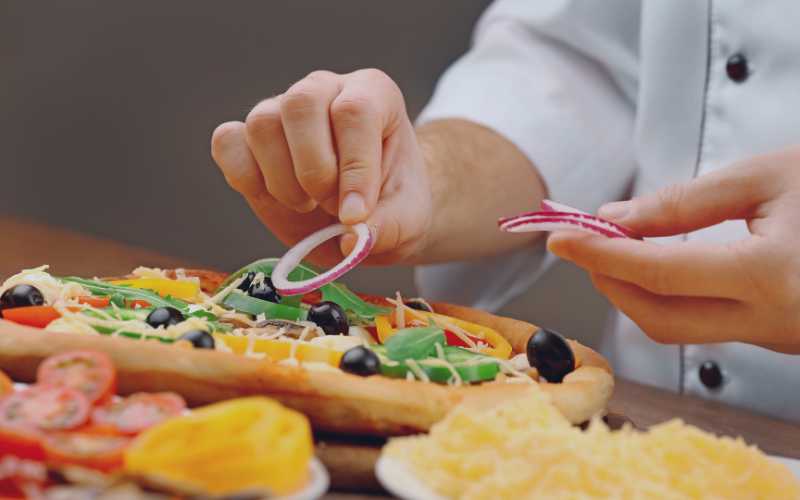
These pizza franchises go beyond pepperoni and sausage, dishing out flavors like Thai peanut chicken, spicy BBQ pork, or Mediterranean veggie blends. They cater to adventurous eaters and shake up expectations.
Why this concept is growing in demand:
People are looking for variety. These franchises offer a creative twist while still sticking to the comfort food people know and love. They also allow franchise owners to stand out in crowded markets.
Pros: Strong brand differentiation, great for foodie-focused areas.
Cons: Higher food costs, and niche appeal may limit reach in more traditional markets.
Examples:
- California Pizza Kitchen - A pioneer in non-traditional toppings like Thai chicken and pear & Gorgonzola.
- Jet’s Pizza - Detroit-style squares with loaded toppings and flavored crusts? Yes, please.
- Hungry Howie’s - Known for their crust innovation and endless customization options.
6. Take-and-Bake Pizza Franchises

Take-and-bake pizza franchises give customers a fresh, ready-to-bake pie they can pop in the oven whenever it suits them—keeping things hot, delicious, and baked at a safe temperature.
Why it works:
It’s dinner on your schedule. This model appeals to busy families who want to enjoy restaurant-quality pizza at home without committing to delivery windows or dining out. It also helps franchisees keep operating costs low—no ovens, no dine-in overhead.
Pros: Simple operations, low overhead, and consistent demand.
Cons: Doesn’t lend itself well to impulse buys like dine-in or delivery.
Examples:
- Papa Murphy’s - Dominates the take-and-bake space, offering everything from classics to dessert pizzas.
- Figaro’s Pizza - Offers both take-and-bake and dine-in service for maximum flexibility.
- Noble Roman’s - Focused on high-quality, convenient options and strong franchise development support.
7. Regional Pizza Franchises
These pizza franchises lean into the power of local flavor—whether it’s New York-style thin crust, Chicago deep dish, or Detroit’s famous square pies. They tap into hometown pride and nostalgic cravings.
Why this trend is growing:
People love food that reminds them of home. Regional franchises attract loyal locals and curious travelers alike. And while they may not always scale easily across territories worldwide, they thrive in their home regions.
Pros: Deep local roots, strong branding, and loyal customer base.
Cons: Expansion beyond regional borders can be tricky if taste doesn’t translate.
Examples:
- Lou Malnati’s Pizzeria - A go-to for authentic Chicago deep dish. Tourists and locals alike line up for a slice.
- Buddy’s Pizza - The OG of Detroit-style, square, cheesy, and crispy..
- Grimaldi’s Pizzeria - Coal-fired, New York-style pizzas that attract purists.
- Pizza Hut - With over 6,500 U.S. locations, Pizza Hut is still a major player. They continue to seek new franchisees, and if you’re considering this franchise opportunity, make sure to check the franchise disclosure document—because message and data rates might apply, but your due diligence definitely won’t be left unchanged.
Conclusion
The pizza franchise industry offers diverse opportunities for entrepreneurs. From artisanal creations to vegan options and delivery-driven concepts, there’s a franchise for every ideal candidate. Whether you’re looking to invest in a single store or expand with a multi-unit model, pizza franchises provide a proven path to growth in the restaurant industry.
Brands like Domino’s, Papa John’s, and Blaze Pizza demonstrate the power of combining fresh ingredients, innovative business models, and strong franchise development strategies. Franchise owners benefit from extensive support, flexibility, and high-quality product supply, making it easier to succeed.
Start your journey by reviewing the franchise disclosure document and exploring the approval process to turn your passion for pizza into a thriving business.