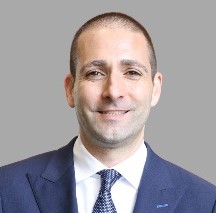
By Adam Goldman, franchise consultant at FranchiseCoach. Reviewed November 12, 2026.
Quick answer: As a former master franchisor, Adam Goldman grew a Vanguard Cleaning Systems region in Houston to over 40 franchisees, then sold it. The lesson he passes on to buyers: judge the job, not just the brand, and plan your cash for a slower start.
I’ve been a franchisee and a master franchisor. In Houston, I grew a Vanguard Cleaning Systems region to over 40 franchisees before selling it. It was a hands-on business. I sold franchises and supported the owners who bought them. That gave me a firsthand look at what happens after someone signs, when they have to find customers, hire people, and make payroll.
Supporting those franchisees was the most rewarding part of the job. I remember one owner who had a UT bumper sticker on the back of his truck. He was paying for his daughter’s tuition. That is what this is really about: a business that changes what is possible for a family.
Today I have 20 years in business and 10+ years as a franchise consultant. I have guided thousands of people through this decision and placed 180+ franchise buyers.
The question I ask buyers now is simple. What will you be doing on a Tuesday morning, and is that how you want to spend your time? You can love the product and still find that the day-to-day work is a poor fit.
Where buyers get surprised
The first few months can stretch your budget. It takes time to bring in customers and build a team. The owners who set aside cash for a slower start had room to make better decisions when expenses arrived ahead of revenue.
A franchise gives you a way to operate. You still have to run it. Training and a playbook help you get started. It’s up to you to make the sales calls, follow through with customers, and coach the people you hire. That is true even of semi-passive franchises, where a manager runs daily operations and you still own the results.
The fees tell only part of the story. When you read the Franchise Disclosure Document (FDD), look at how many locations opened, closed, or changed hands. Those figures give you questions to take into conversations with franchisees.
What the strongest owners did consistently
The owners I saw do well learned the system before they tried to improve it. They kept track of what was coming in and going out, called for help while problems were still small, and put real effort into keeping the customers they had. They took responsibility for the results and kept enough cash in reserve to give themselves options.
In my region, those habits told me more about how someone would operate than their industry experience did.
Think about the day you’ll sell
Building and selling the Houston region changed how I look at a franchise agreement. Buyers naturally focus on getting open. I also want them to understand what happens if they want to renew, sell, or leave the system. Item 17 of the FDD is where I start that conversation. Before you sign, ask what approval you’d need to sell and what conditions a buyer would have to meet.
What I look at with clients today
- The owner’s role. What will you spend your week doing? Does that fit your skills, schedule, and interests? Ask current owners what took up most of their time in the first year and how their role changed as the business grew.
- The investment and your cash reserves. Buyers typically need at least $50,000 in liquid capital and around $150,000 net worth. Total investment typically runs from $125,000 to $500,000+. We look at what a specific brand requires and how much cash you’d have left if the business takes longer to build than you expect. If you are near the low end, see franchises for $50K.
- The disclosure document. We look at the estimated initial investment in Item 7, renewal and transfer terms in Item 17, any financial performance information the franchisor provides in Item 19, outlet history in Item 20, and the franchisor’s financial statements in Item 21. I encourage buyers to have a franchise attorney review the documents before signing.
- What franchisees experienced. How long did it take to get going? What cost more than expected? Who helped when you ran into a problem six months in? Knowing what you know today, would you buy again?
- Territory. What does the agreement protect? Can the brand or another franchisee serve customers in your area through other channels?
My support doesn’t end when you sign. I stay involved through Discovery Day, opening, the first year and beyond, for as long as you own the business.
Frequently asked questions
What is a master franchisor?
A master franchisor develops a franchise brand within a defined territory. In my role with Vanguard, I sold franchises in the Houston region and supported the owners who bought them.
Do you still own the Houston region?
I sold the region after growing it to over 40 franchisees. Today I work full time as a franchise consultant.
How does that experience help someone buying a franchise?
I’ve had to make the buying decision myself, and I’ve supported owners through the months and years that follow it. That experience helps me ask more specific questions about the work, the costs, and the support you can expect once you’re operating.
What does it cost to work with you?
Working with me is $0 cost to you. The franchise fee is the same as if you contacted the brand directly.
Tired of corporate?
If you’ve ever wondered whether owning your own business is right for you, let’s talk. In a free 15-minute call, we can talk about what you want from a business and what the owner’s role might look like for you.