
The cheapest restaurant franchises to open in 2026 are virtual kitchens, coffee kiosks, and food trucks, with total investment often starting well under $100,000. They skip the dining room, which cuts the rent, staffing and build-out costs that make traditional restaurants so expensive to open.
You don’t need a huge savings account to own a restaurant. This guide explains why low-cost restaurant franchises work, then ranks 10 of the most affordable options in 2026.
Why Low Cost Franchises in the Restaurant Industry?
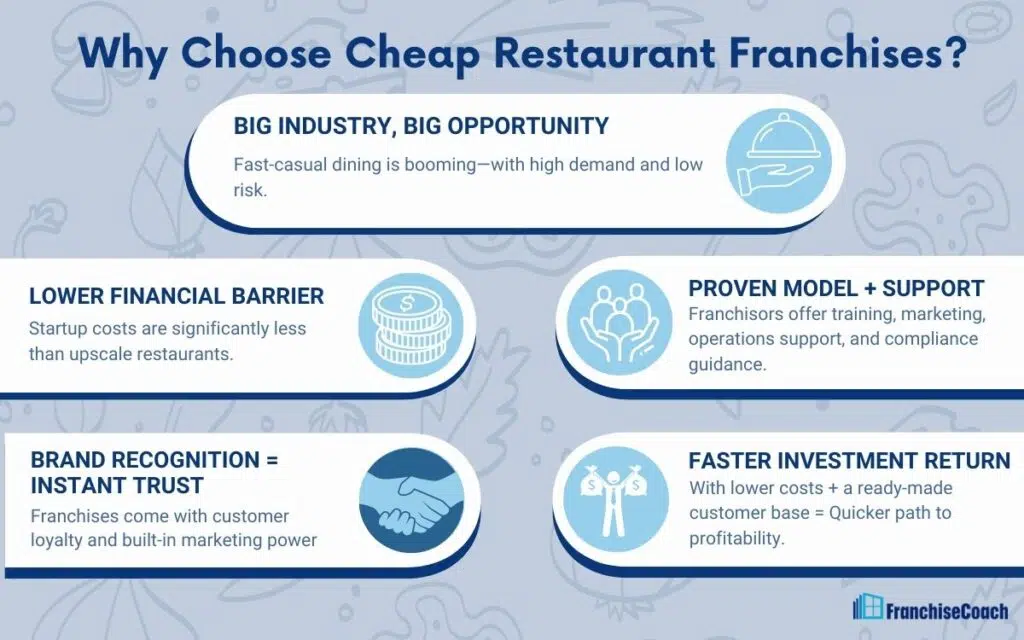
Cheap restaurant franchises exist because the food service industry is massive, and franchisors have built lower-cost formats (virtual kitchens, kiosks, food trucks) to meet demand without the overhead of a full-service restaurant. A lower price usually reflects a leaner business model, not lower quality.
A Massive, Growing Market
Food service is one of the biggest industries in the country. Over the five years to 2026, industry revenue expanded at a CAGR of 1.2%, reaching $423.7 billion in the fast food segment alone. People have always wanted a quick, cheap meal away from home.
Lower Barrier to Entry
Startup costs for fast food franchises vary enormously, and the low end is cheaper than most people expect. Opening a McDonald’s franchise can cost $1 million to $2.6 million. By comparison, a Chester’s Chicken franchise runs between $27,500 and $296,500. That puts ownership within reach of far more people, including aspiring entrepreneurs and new entrepreneurs.
Low initial investments aren’t the whole picture, though. When I work with first-time buyers looking at low-cost restaurant franchises, the most common mistake I see is not looking closely enough at ongoing expenses and time to break even. A business that’s cheap to open but expensive to run month to month can be a worse fit than one with a higher initial investment and lower monthly costs.
Before you choose a franchise on startup cost alone, compare the royalties, marketing fees, rent and staffing each brand requires. Then ask current owners how long it took them to break even and how the numbers look in the long run.
Brand Recognition Without the Buildup
Buying a franchise means customers already know the name, giving you strong brand recognition from the start. You skip the slow, costly work of building a brand, which can be a real advantage if you want to open your own business and focus on serving people from day one.
Built-In Operational Support
Franchisors provide comprehensive training, marketing help and ongoing support built on a model that already works for franchisees. That matters more in food than almost anywhere else, because health codes, suppliers and customer service all add complexity to the system they step into.
Faster Payback
Lower startup costs, a known name and ongoing support, along with stronger operational efficiency, usually mean you earn your money back sooner. Bigger investments generally take longer to turn a profit and can add more risk. If getting to profitability fast matters most, low-cost food franchises deserve a close look.
10 Cheap Restaurant Franchises
The 10 most affordable restaurant franchise formats in 2026 span virtual kitchens, coffee kiosks, quick-service and fast-casual concepts, pizzerias, food trucks, health-focused cafes, grill restaurants, ice cream shops, and bakeries. Each one keeps costs down with less space, simpler operations or fewer staff.
1. Virtual Kitchen Concept
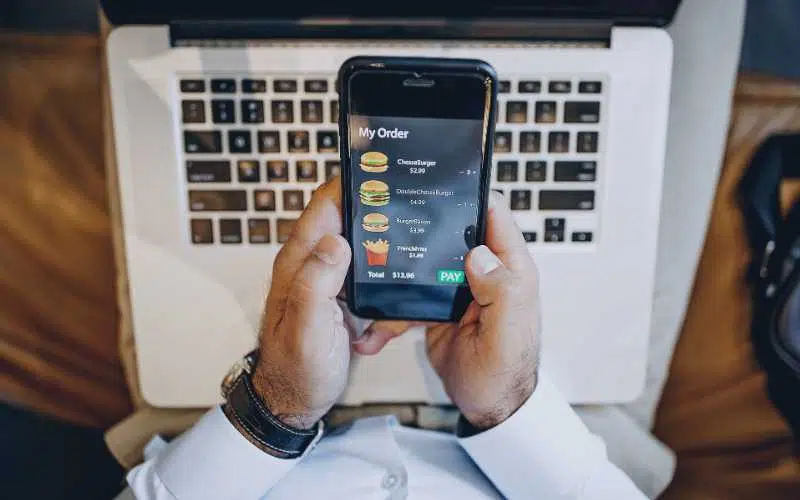
A virtual kitchen, also called a ghost kitchen, has no dining room at all. It only handles online orders and delivery, with sales coming through those digital channels, so you don’t pay for a storefront, front-of-house staff or the utilities that come with them.
Thanks to delivery apps like Uber Eats and DoorDash, one virtual kitchen can run several restaurant brands at once. You can test new concepts and follow food trends in flexible formats without carrying the cost of a traditional restaurant. The global virtual kitchen market is projected to reach $112 billion by 2030.
Why it’s affordable: no pricey storefront, fewer staff, and more control when running multiple concepts from one kitchen.
2. Coffee and Cafe

Just as food trucks offer an affordable alternative to full restaurants, coffee franchises are a cheaper way into the cafe business. Smaller coffee brands give you many of the same brand benefits as the big chains for far less money, which makes them a good fit for first-time franchisees.
The US coffee market is valued at over $69.82 billion, with rising consumer demand.
Why it’s affordable: compact kiosk models reduce real estate costs, equipment stays simple, and a focused menu helps keep operations efficient.
3. Fast Food Quick Service Restaurant Franchise
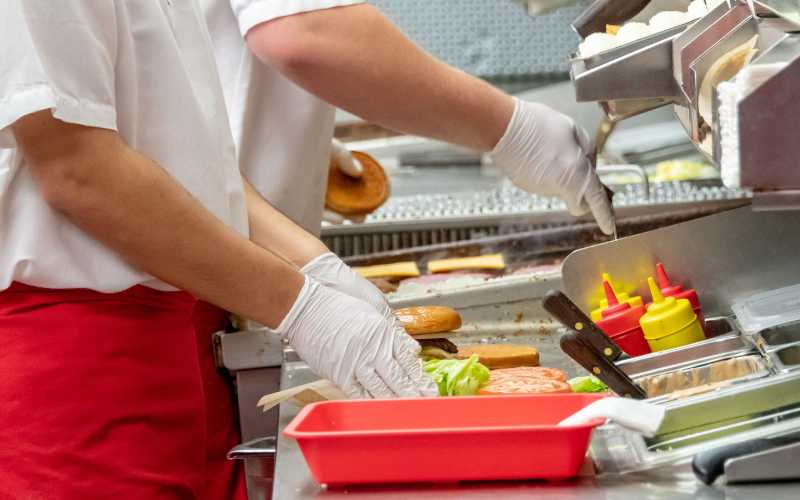
Quick-service restaurants (QSRs), better known as fast food, have been part of American life for decades and usually cost less to launch than full service restaurants. It’s the largest slice of the restaurant industry. The biggest chains are expensive, but plenty of cheaper brands offer simple operations and a model that’s already been tested, a proven model.
Chick-fil-A charges a famously low franchise fee, and its operators benefit from a relatively low upfront investment, though they run the restaurant rather than own it outright.
Chester’s Chicken is another option worth a look. It puts locations inside convenience stores, truck stops and supermarkets, so you get built-in foot traffic for a low investment, and those nontraditional placements can be a strong franchise opportunity for entrepreneurs who want lower overhead.
Why it’s affordable: standardized operations, a limited-service model, and steady built-in demand.
4. Fast-Casual Restaurant
Exploring franchises with $50K+ to invest?
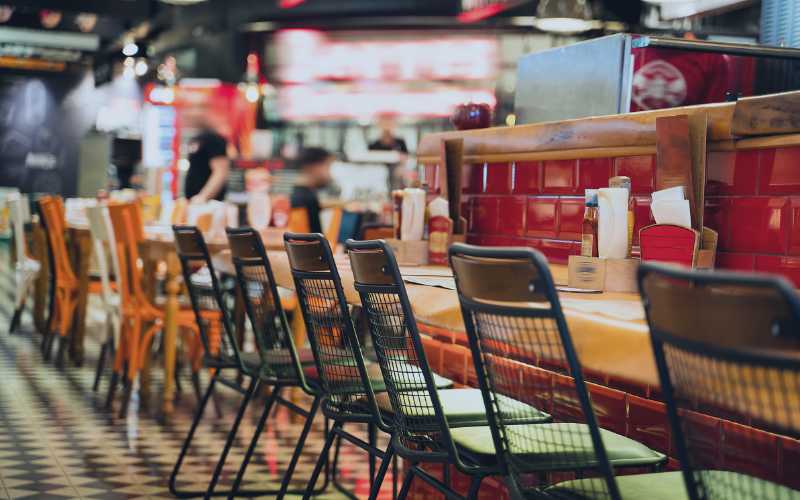
Fast-casual restaurants offer the speed of fast food with a healthier menu that can include salads. More diners want food that’s quick but still fresh, without a long wait.
These concepts run smaller kitchens with fewer employees than a sit-down restaurant, which keeps costs down and margins healthier. The category is expected to reach $337.8 billion by 2032.
Why it’s affordable: smaller footprint, a focused menu built around serving fresh food, and lower labor costs from self-service elements.
5. Affordable Pizzeria Franchise Concepts
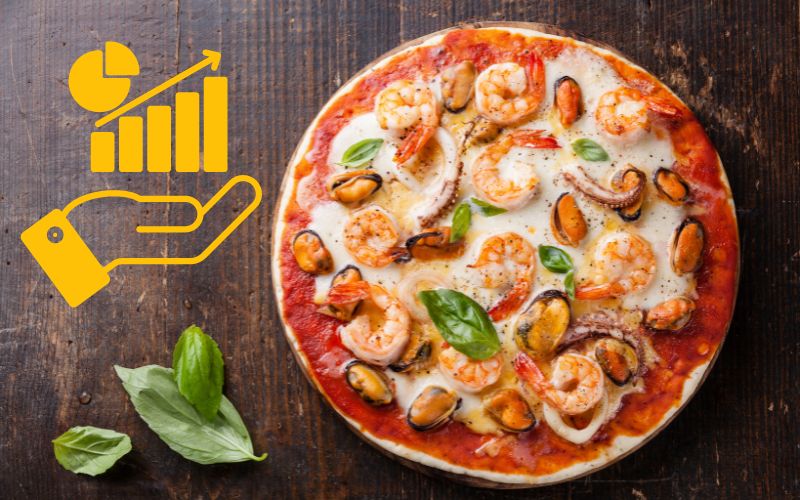
Pizza is one of the most popular and dependable restaurant concepts for new franchise owners. Demand stays steady in good times and bad, which makes it a dependable entry point for owners interested in pizza.
Pizza franchises usually need fewer employees, less space and simpler operations than a full-service restaurant. Many pizza brands also rely on a unique product or signature style to stand out, while delivery and quick-service models keep overhead even lower.
Why it’s affordable: a simple menu makes inventory easy, buying in bulk improves efficiency, cuts costs, and demand stays consistent.
6. Food Trucks
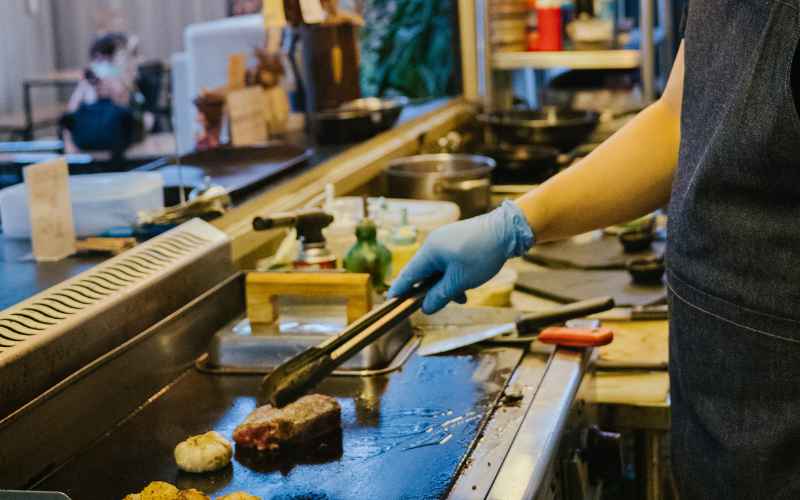
Food trucks are one of the cheapest ways into the restaurant business. Franchise fees and startup costs are lower than for a traditional restaurant, so more people can realistically get started.
The big advantage is flexible formats. You can often launch with lower upfront costs, then follow food trends, park where the crowds are and move between locations to reach different neighborhoods. The US food truck industry is estimated at $1.4 billion and continues to grow.
Why it’s affordable: lower initial fees and operating costs, mobility to high-demand areas, and a smaller staff.
7. Health-Conscious Dining

Healthy eating keeps gaining fans, which makes salad bars, salads, wraps, and smoothie shops good candidates for an affordable restaurant franchise. The smoothie market is expected to reach $21.34 billion by 2026, a sign of steady demand for fresh, convenient food.
Franchisors in this space lean on digital ordering, sustainability and ingredient sourcing that health-conscious customers care about, while keeping startup costs low. That mix also appeals to entrepreneurs looking for fresh, convenient concepts.
Why it’s affordable: a streamlined menu cuts waste, premium products like specialty smoothies boost profitability and customer benefit, and the retail footprint stays compact.
8. Grill Franchise Restaurants
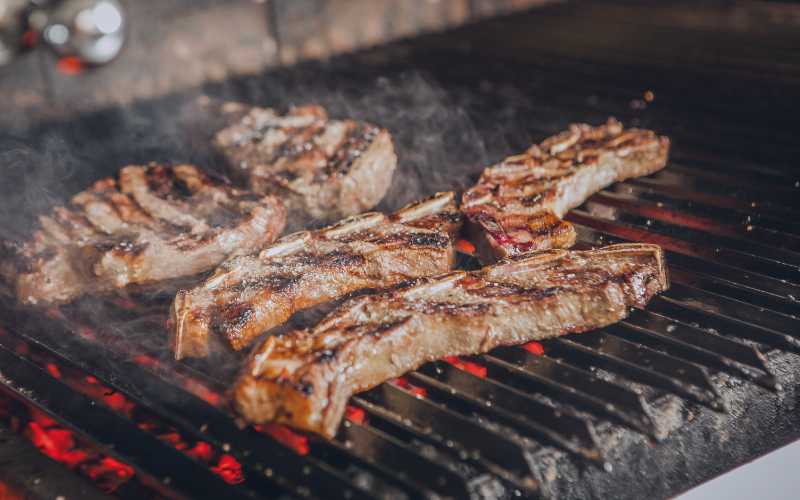
Grill restaurants are cheap to start and simple to run, especially when the concept focuses on serving fresh food without adding kitchen complexity. Open-flame cooking keeps equipment needs low, and a small team can often handle service efficiently.
Customers like being able to build their meals the way they want, and that keeps them coming back.
Why it’s affordable: simple cooking means minimal kitchen equipment, tables turn over quickly for steady cash flow, and you can open in a non-traditional setting like a shopping center.
9. Ice Cream Shops

Demand for specialty frozen treats keeps growing, and boutique parlors, creative soft-serve concepts and dairy-free options are drawing a broader crowd.
Low ingredient costs give ice cream healthy margins, and the ability to operate in small spaces keeps expenses manageable even after franchise fees and royalties.
Why it’s affordable: a small footprint cuts real estate costs, staffing needs stay minimal, and margins on ice cream products run high.
10. Baked Goods

Demand for artisan, organic and specialty baked goods keeps growing.
Paris Baguette is a popular bakery-cafe company known for French-inspired pastries, artisan breads, cakes and specialty coffee. Costs vary with location, store size and renovation needs, so bakeries can work across a range of budgets.
Why it’s affordable: a small footprint means lower rent, a limited menu means less food waste, and adaptable cafe, kiosk, or food truck formats like those used by many brands keep costs down further.
Ready to find the franchise that fits you?
Frequently asked questions
Virtual kitchens, coffee kiosks, and food trucks tend to be the cheapest restaurant franchise formats and are often among the cheapest franchises to consider, since they skip the cost of a full dining room and reduce staffing needs.
Some formats, like smaller food truck or coffee kiosk concepts, can start near or under this range depending on the brand, and these are often the kinds of low cost franchises buyers compare first. That said, major chains often require hundreds of thousands to qualify. Always confirm current investment ranges directly in the franchisor’s FDD, since costs change over time.
A ghost kitchen (or virtual kitchen) only serves delivery and online orders, with no dining room or front-of-house staff, and franchisees typically operate it from a smaller commercial kitchen setup. A traditional restaurant franchise includes a physical dining space, which adds rent, staffing, and build-out costs.
Not necessarily. Lower investment often means lower overhead too, which can support solid margins. Profitability depends more on location, demand, and operations than on the size of the initial investment.
Most franchises charge ongoing royalties and marketing fees on top of the initial investment. Review these in the franchise disclosure document before comparing brands, since ongoing fees affect long-term profitability more than the upfront cost does.
Franchise Now!
You don’t need a fortune to own a restaurant franchise. Steady demand, a known brand, and a proven model can improve your odds of success and make these opportunities worth a close look.
I help buyers compare low-cost food franchises against their budget, lifestyle and long-term goals, not just the sticker price on the FDD, so they can request the franchise disclosure document, compare the initial franchise fee, and decide where to invest.
Do your research and be honest about your budget before you make a purchase. A franchise consultant can help you find a low-cost food franchise that fits your goals, your market, and what owning it looks like over the long run.