The automobile industry has been going through a historic transformation as the average age of automobiles on the roadways of North America reached a record 12.6 years; therefore, the automobile sales market has shifted from a “sales first” to a “service first” economy.
Consumers are being priced out of purchasing newer vehicles due to higher purchase price points for new cars, plus other startup costs, and increasing interest rates, causing them to invest their dollars into the vehicles they currently possess.
At the same time, consumers have seen the average amount of time that consumers will keep possession of both new and used vehicles increase by 60 percent in recent years. This demonstrates how strong the car franchise sector is today and how much of a demand there is for automotive service businesses today.
The current state of the automobile franchise landscape in 2026 necessitates a balance between high upfront investment and a shift toward profitable aftermarket services and digital-first operations. As such, this will allow franchisees many opportunities to compete in the marketplace.
Why Choose an Automotive Franchise Business Model?
As the automotive sector continues to develop significantly, the complexity of EV diagnostics, proprietary software, and increasing start-up costs make it difficult for companies to build their businesses from ground zero.
A franchise offers its owners and franchisees several advantages that may help them compete against other brands, dealerships, and service providers:
- Brand Recognition: This helps create instant credibility within your community, as many times consumers compare different brands, dealerships, and service providers.
- Comprehensive Training: Even though you don't necessarily have prior automotive repair experience, franchises will provide comprehensive training, operating systems and a road map to success.
- Ongoing Support: Ongoing support begins early in the process of selecting a location, developing your digital presence, assisting you in securing financing and continuing to assist in ensuring all aspects of your franchise remain in compliance with the franchise agreement.
- Exclusive Territory: Many franchising opportunities allow you to purchase an exclusive area or territory, which prevents other franchise owners with the same brand from competing with each other directly.
Franchise ownership, therefore, gives you some of the best possible odds for penetrating the marketplace successfully by utilizing a previously established marketplace.
Top 12 Automotive Franchise Sectors for 2026
The auto sector has a lot to offer the first-time business owner, as it provides a mix of both solid, stable service-based industries and high-tech growth sectors.
From car washes to dealerships and EV services, the auto sector offers diverse ownership opportunities in a durable market.
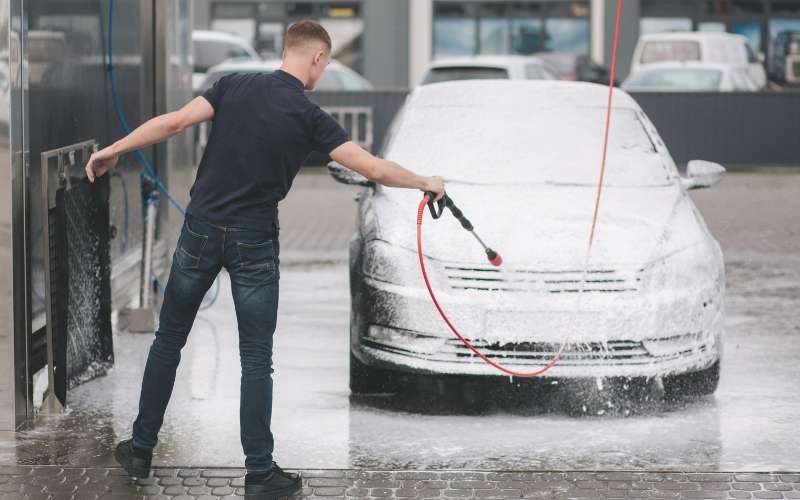
1. Car Wash Franchises

This sector has always been popular among those seeking steady cash flow. The trend in this business in 2026 will be toward automated tunnel car washes that utilize advanced water-reclaiming technology. Car washes have benefited from a loyal customer base, recognition of their brands, and the expectations of convenience from today’s customers when using modern services.
What to Expect: Expect to primarily sell memberships to provide a consistent monthly income. The cost of buying real property, tools/equipment can be substantial, but the actual labor involved in day-to-day operation is usually lower compared to many other models.
Your primary focus will be to manage your technology, employee(s), insurance, local advertising and promotion rather than working under the hood.
Key Benefits: lower labor costs; recurring revenue; scalability (multiple locations)
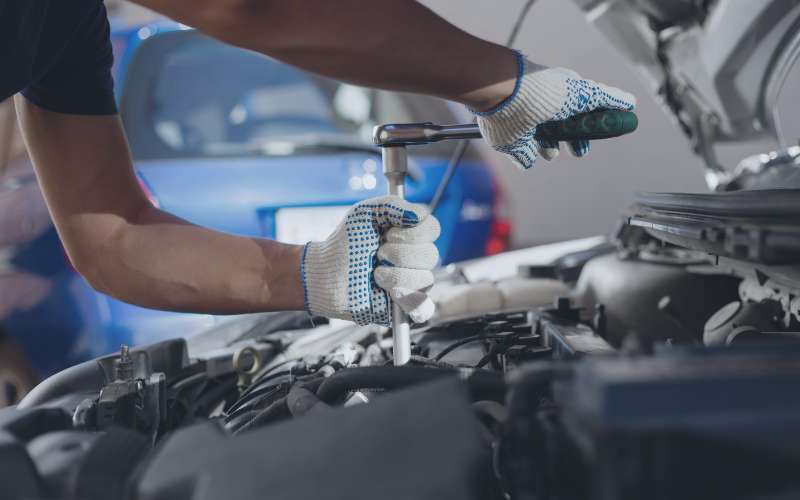
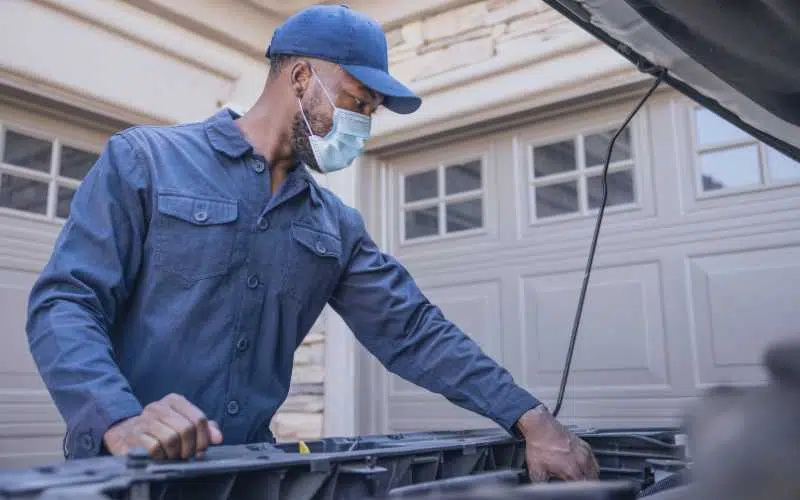
2. Full-Service Auto Repair (The “One-Stop Shop”)

As motor vehicles become computers on wheels, automotive franchises provide a massive competitive edge. The growing popularity of hybrid vehicles and electric vehicles makes it important for consumers to be able to go to a reliable automotive service provider that has the appropriate diagnostic tools, software access, and the correct equipment.
What to Expect: Expect to lead a team of well-qualified technicians. The OEM often supplies the diagnostic equipment and subscription-based software that would otherwise cost too much for an independent shop to purchase on its own.
Success Factor: When reviewing potential investments in this space, it is advisable to review the OEM’s powertrain strategy regarding exposure to EV and hybrids.
In particular, with the federal EV tax credits set to expire in late 2025, many of these OEMs are going to aggressively pursue their respective sales goals in this growing market.
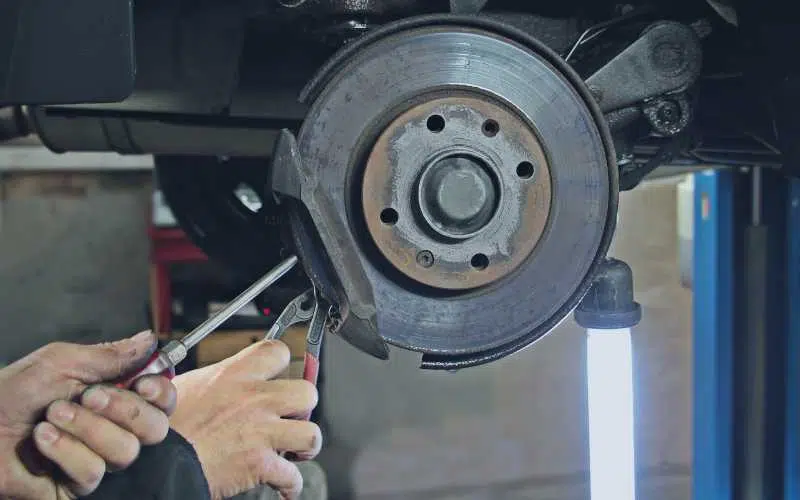
3. Brake and Tire Service Centers
Consumers will always have to spend money on safety. In the established retail market for consumer goods (like tires), brands such as Big O Tires use inventory turnover that can be as high as 5 times per year on their “must-have” products.
The brand also uses a strong franchising model to ensure customers receive similar quality and consistent automotive service. It would be difficult to find another category where the path to scalability would be as clear. The demand in this category is easy to predict, and the work is usually repetitive.
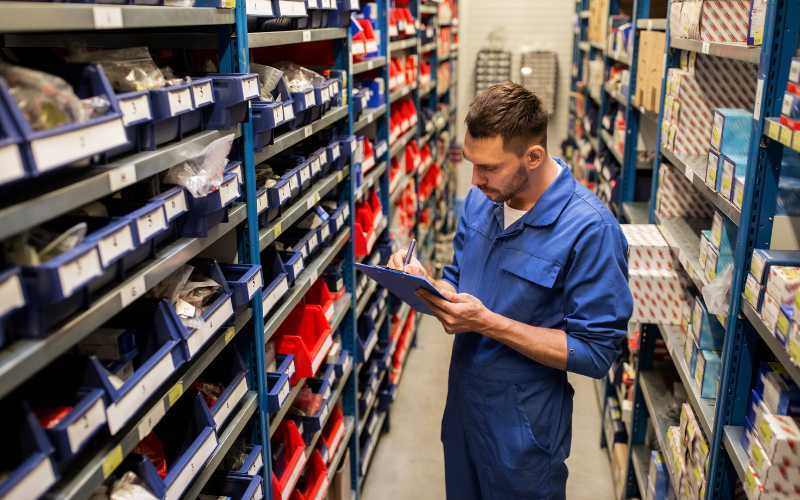
What to Expect: High volume sales. Offering services that your customers require at all times. Strong inventory control. You will receive support from the franchise’s logistics network to ensure that you always have the correct parts from compact cars to large trucks.
Highly loyal customer base, as tire sales create an opportunity to repair many other items. Big O Tires is still one of the most recognized auto-franchise brands in the United States; the highest-earning Big O Tires stores average approximately $529,999 annually, with the lowest average store earning approximately $63,989 annually.
Support: National account access, distribution channels, brand awareness, and operational support necessary to compete at a local level.
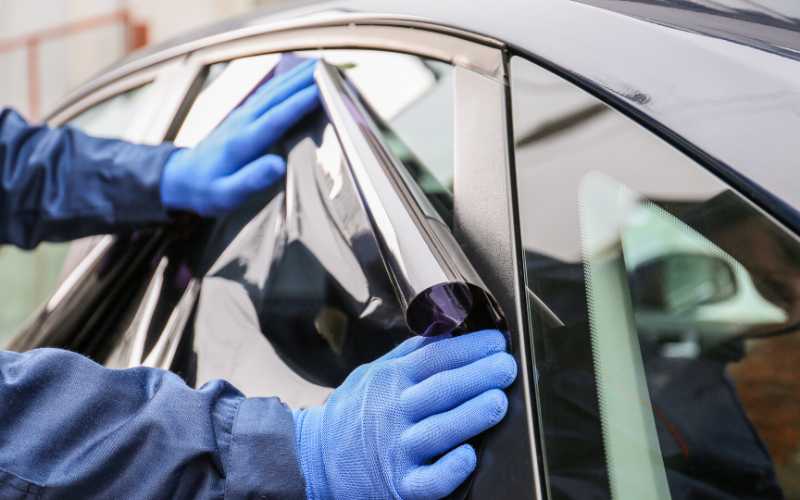
4. Window Tinting & Paint Protection

As an example of the changing 2026 climate trends, this industry has transitioned from aesthetic customizations to functional efficiencies. Ceramic coatings and heat-rejection film have become essential to preserving the range of electric vehicle batteries through the reduction of AC loads.
What to Expect: This represents one of the easier-to-access franchise opportunities available to first-time franchise owners due to lower start-up cost requirements. A higher margin will be experienced by you as a result of your small footprint.
Your focus will be on precision, craftsmanship and educating your customer base about the return on investment(ROI) that they can receive from protecting their vehicles, cars and trucks from excessive heat, UV rays, and wear.
Key Benefits: Lower overhead, higher profit potential per hour, differentiated brand position.
5. Mobile Mechanic Services
The convenience economy has completely changed the way that auto-service businesses operate. Unlike traditional models, which have been tied to brick-and-mortar locations. Franchisees will provide a variety of automotive services, state-of-the-art vans, bringing services directly to the customer’s home, office, etc.
What to Expect: No large cost associated with maintaining a car dealership; no property insurance on a physical building. Be prepared to be somewhat tech-savvy. Your scheduling app is also your storefront and your mobile workshop.
This would be perfect for entrepreneurs looking to get into business at a smaller level, obtain easier funding than starting up a new dealership, and grow through additional units (vehicles/trucks) added to the fleet.
Benefit: Flexibility, lower start-up costs, and direct relationships with customers.
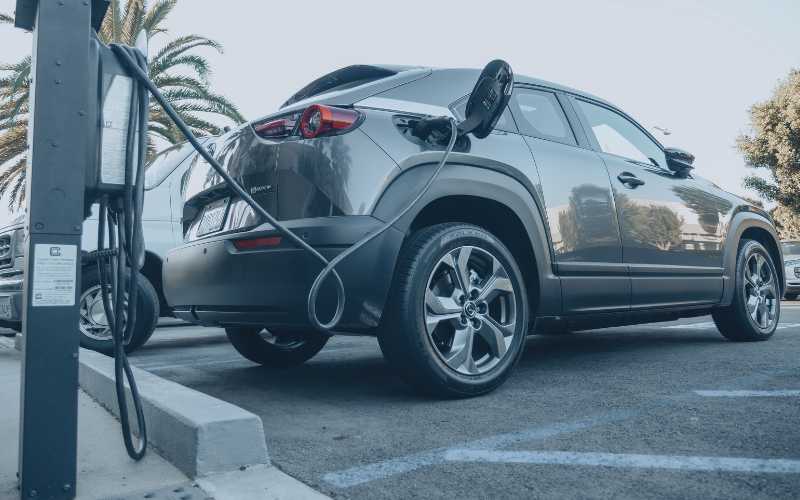
6. EV Charging & Grid Maintenance

More than just plugging in vehicles into the market — we need more than the vehicle itself. The industry is going to require an increased number of infrastructure specialists because the automotive industry continues shifting its business model toward electric and software-based systems.
What to Expect: A pioneering experience. You will work directly with businesses, local communities, and utility partners to implement smart charging solutions. Expect a company primarily focused on B2B contracts, government incentives, and technical training.
You will not be performing routine maintenance/repair duties. Instead, you will be an energy & infrastructure consultant for the next generation of vehicles.
Focus: To integrate chargers with local power grids, in addition to providing ongoing support for software updates, maintenance, and network uptime.
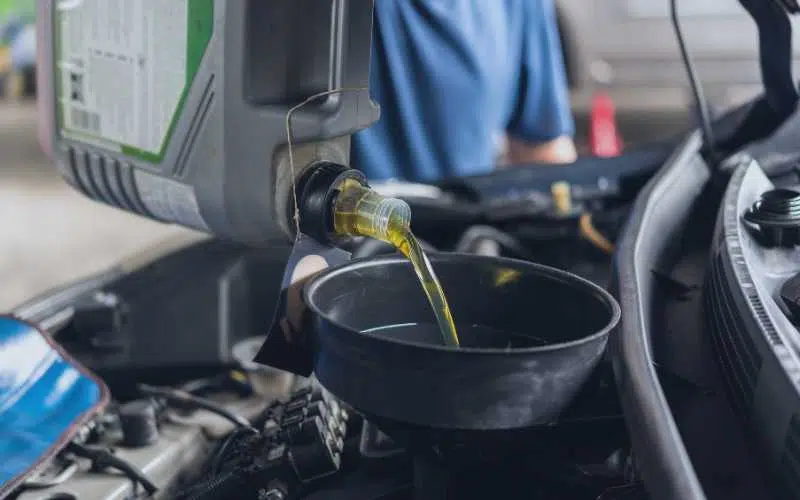
7. Quick-Lube & Oil Change Services
While electric vehicles have increased in popularity, over 280 million Internal Combustion Engine (ICE) vehicles remain on the road. Many brands that fall under Driven Brands’ umbrella are successful due to their ability to move at speed, be efficient, and have a consistent history of repeat customer visits.
Many franchise owners will tell you that this has been one of the simplest automotive franchises for them to learn about, as the entire franchise model revolves around providing fast service, encouraging repeat visits, and maintaining consistent operations.
What to Expect: The company has historically experienced a high rate of return on investment (ROI) based upon the high volume of business, due in large part to predictable customer demand. It offers various services, including oil change services, tire services, brake work, battery replacement, inspections, and general automotive maintenance.
Also, it’s a strong business model that is ideal for an entrepreneur interested in expanding their existing business into a straightforward, repeatable franchise model that focuses on retaining customers and creating new sales.
Expect: High-volume and fast-paced day-to-day operations with emphasis on repeat business, customer retention, workflow and overall operational efficiency.
8. Automotive Accessories & Performance

The off-road and truck accessory markets are driven by the ‘lifestyle’ aspect of vehicle ownership. All types of accessories, including off-road equipment, electronics, high-tech safety systems, and upgrade parts, enable manufacturers to differentiate themselves within a competitive marketplace.
What to Expect: Retail-oriented. In order to succeed in this area, you need to have an emphasis on customer service, merchandise display, as well as understanding what is popular and trending in tooling, accessorizing, and performance enhancements. You will be selling ‘wants’, rather than ‘needs’.
Therefore, your brand awareness, or local reputation, will play a significant role. High-margin retail sales will be generated along with a variety of professionally installed services.
Key Benefits: There can be multiple revenue streams. Customers will be enthusiastic about purchasing these items. The potential exists to meet both practical and enthusiast-based demands.
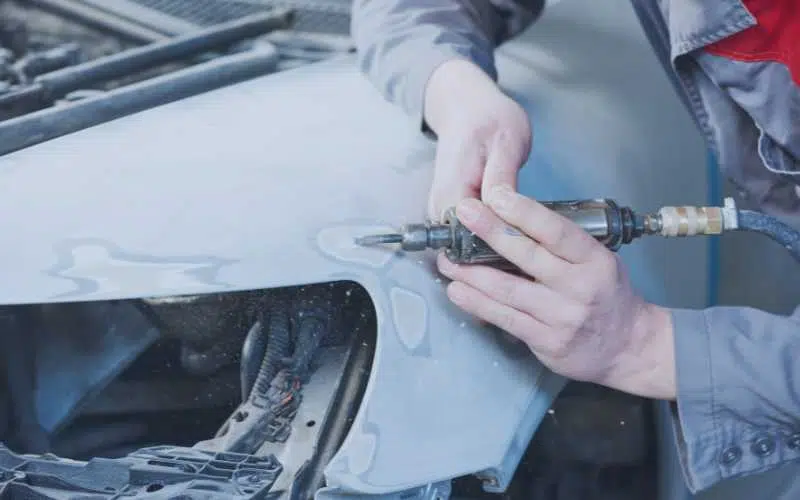
9. Collision Repair Centers
The automobile service industry is going to continue to be plagued by accidents, and in turn, insurance-backed repair shops will always be in demand.
The franchise model used by the majority of auto body shops has an added advantage as they receive a consistent stream of new customers through referrals and existing relationships with local insurers.
What to Expect: This business model involves high startup costs due to specialized paint booths, advanced calibration equipment, and frame-alignment systems.
However, you benefit from built-in insurance carrier relationships that help ensure franchisees have a steady pipeline of work. Expect a highly regulated environment with a strong focus on safety, process, and quality control.
Success Factor: Direct access to repair programs offered by major insurance providers and having the necessary equipment to perform the increasing complexity of today’s vehicles are the keys to success.
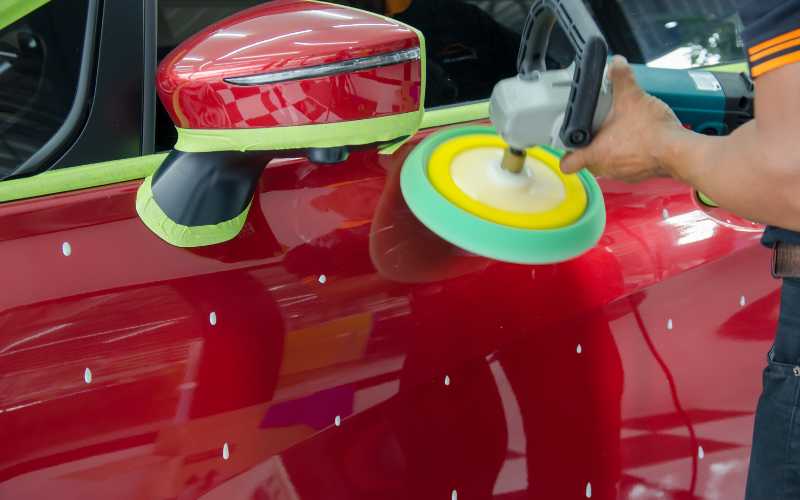
10. Mobile Car Detailing

For an entrepreneur who wants to have business assets with little or no debt, this is a sweat-equity franchise model that has the potential to scale nicely. This is attractive in markets in which customers are retaining automobiles longer and investing more dollars into maintaining them.
What to Expect: You will provide a premium experience. As of 2026, vehicle owners are choosing to retain their vehicles longer than they are ever before and are willing to invest the additional money required for paint correction, ceramic coatings, and cosmetic restoration to protect their investment.
You will likely spend a great deal of time working locally, promoting yourself and building relationships, as well as learning about detailing chemistry and service delivery.
Training: The training will include an extensive focus on the current protective coating products, restoration methods, and customer experience standards.
11. Specialized Car Battery Centers
The automotive market in 2026 will require the expertise of technicians who can manage lithium-ion recycling, hybrid battery reconditioning, and diagnostic support for consumer and fleet electric vehicles.
What to Expect: You can anticipate being one of the first franchises into the “Green Economy” due to your involvement with technical franchise systems related to Electric Vehicles’ increasing penetration into the automotive market.
The potential customer base could include individual EV owners, commercial fleets, dealerships, and service centers seeking sustainable solutions and reliable support for batteries.
Focus: Long-term service opportunities as they relate to the future of the industry (battery health diagnostics, recycling compliance, hybrid & EV support).
12. Used Car Dealership Franchise
Sales-oriented entrepreneurs may find the structure provided by a car dealership franchise beneficial since they do not have the infrastructure available when starting an independently owned or operated vehicle resale business.
Some franchises may allow selling both the same make of new and used vehicles; however, most times the two are separate agreements.
This category can appeal to entrepreneurs who love cars, understand sales, and want a dealership model with stronger systems, brand support, and financing relationships.
In some cases, franchise dealerships may also gain the right to sell used cars by the same brand as their franchisor, though this is usually separate from the franchise agreement for new car sales.
What to Expect: You will be managing inventory, financing options, sales performance, and digital lead generation. The parent company may also provide inventory pipelines, auction insights, technology platforms, and marketing tools to move cars quickly.
You will be running a data-driven business that is focused on market trends and pricing discipline, as well as building relationships with lenders and dealers.
Support: Provided by parent company to franchisees; proprietary auction data, national inventory networks, sales systems, training, and brand recognition can help compete in the used-vehicle market.
Financing and next Steps
The initial franchise fee usually ranges between $30,000 and $50,000; overall start-up investments and costs can greatly vary depending on the area (location), categories, tools/equipment, and the need for build-out.
Most parent companies help franchisees secure funding by providing lenders with data that demonstrates a proven track record of performance, support, and franchise success.
The global automotive aftermarket industry is estimated at $723 billion, whereas US automotive franchises are an approximate $41, reinforcing why this industry remains one of the most resilient and robust business opportunities in the country.
What to Expect:
- Discovery Day: Meet with the company's management team and determine if the individuals leading the organization are someone you would be comfortable working with.
- FDD Review: The FDD outlines the terms of the franchise agreement, including the amount of money that will be paid for the initial franchise fee and all other costs associated with opening your business.
- Site Selection: Identify areas where your customer traffic is concentrated and analyze demographics, traffic patterns, and overall demand in those locations.
- Grand Opening: A national company has already developed a strong brand name, has developed effective marketing strategies, provides training to assist you in preparing your employees, and offers support services as you begin your new business.
FAQs
Franchises have a proven business model; there will always be a strong customer base demanding auto service, and customers will trust the brand name. The US automotive market exceeds $41 billion annually and has many franchise companies that provide new owner training, marketing assistance, and continued support to new owners.
Your startup costs can vary greatly depending on what kind of automotive operation you decide to create. The least expensive options, like mobile detailing or window tinting, could begin at approximately $50,000. On the opposite end of the spectrum, some businesses could run upwards of $900,000 in initial investment dollars.
By purchasing a franchise, you are getting all the elements needed to become successful quickly. Brand recognition, an established operating system, education/training, marketing support, and preferred vendor relationships are just a few examples of how franchises can give the new owner a solid foundation to operate from.
The industry’s growth is powered by several key trends: aging vehicle fleets, rising car prices, more road travel, and the rise of electric vehicles (EVs) and mobile automotive services. Together, these factors are fueling steady expansion and long-term opportunity.
Yes. Auto maintenance and repair services are considered essential businesses. Even during economic downturns, people need to keep their vehicles running. This makes automotive franchises relatively recession-resistant, offering stability when other industries slow down.
Ready to find your perfect match?
I am here to assist in comparing various franchises, evaluate the business model for each, assess the Franchise Disclosure Documents (FDDs) associated with them, and prepare a proposal to obtain the necessary funds.
Whether you are looking at Big O, Driven Brands, Moran Family concepts, a dealership opportunity, or another automotive franchise brand, the right opportunity depends on your goals, your money, your market, and the level of support you expect. Would you like me to compare the specific initial investment requirements for two of these categories?